Manscorp Media Services|1736 - Good Talk -- The Notwithstanding Dilemma, What Happens Now?
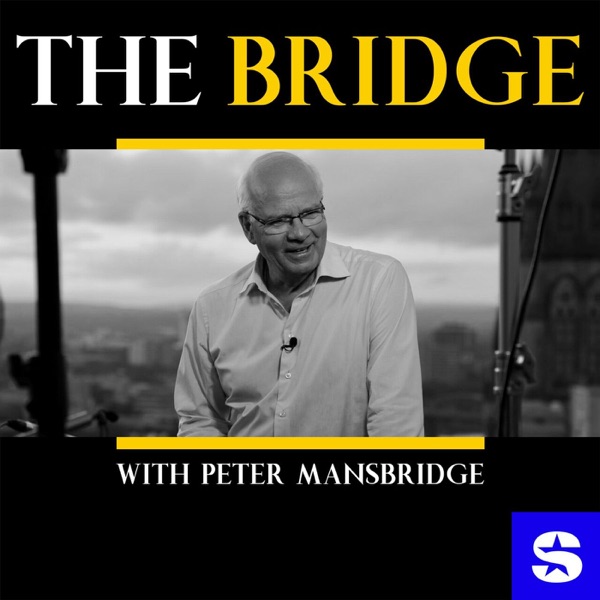
The Bridge reflects on the issues of the day, covering topics such as politics, public health, technology, and more.
Find out more at https://www.thepetermansbridge.com
00:00
00:00
Episode's summary
The panel examines the constitutional implications of a recent Supreme Court decision regarding Quebec's Bill 21 and the use of the notwithstanding clause, exploring its historical roots in the 1982 Constitution. The discussion extends to broader political shifts, including reactions within the Conservative and Liberal parties following the departure of Scott Aitchison and public criticisms of environmental policy.
The episode also covers recent developments in Canadian politics, such as polling on the Carney government's direction, Pierre Poilievre's upcoming trip to Washington, and Ontario Premier Doug Ford's comments regarding firearms. The segment concludes with reflections on political strategy and historical reporting anecdotes.
Chapters
Click on a chapter to go directly to that moment
Highlights
Think of it as if you've played Monopoly, we all have a get out of him jail card that you hold and you know that if you land on the jail, it won't matter.
00:02:39 · The speaker uses a Monopoly analogy to explain how the notwithstanding clause allows governments to bypass certain legal challenges.
I would argue that that concession was made in 1982 and the bill for it, Pierre Trudeau's bill for accepting it, has come up today and has been handed to the political class of the country.
00:10:33 · The speaker suggests that the modern use of the override clause is a consequence of the original compromise made during constitutional patriation.
As somebody who was kind of proud of his small-c conservative orientation, but also determined to be a conservative without a snarl in a party that seemed to really want the snarl.
00:24:22 · Bruce describes the unique political style of departing MP Scott Aitchison within the context of the Conservative Party's internal culture.
One is, do you think the Carney government is too much to the relatively right, too much to the left, or about in the right space? And the numbers there are 19% say too much to the right, 29% say too much to the left, and everybody else is saying more or less right.
00:35:24 · The speaker presents polling data regarding the perceived political positioning of the Carney government.
It feels to me that it was a bit of a dog whistle to people.
00:47:04 · The speaker suggests that Doug Ford's comments about his firearm might be intended to appeal to a specific political demographic.
The panel examines the constitutional implications of a recent Supreme Court decision regarding Quebec's Bill 21 and the use of the notwithstanding clause, exploring its historical roots in the 1982 Constitution. The discussion extends to broader political shifts, including reactions within the Conservative and Liberal parties following the departure of Scott Aitchison and public criticisms of environmental policy.
The episode also covers recent developments in Canadian politics, such as polling on the Carney government's direction, Pierre Poilievre's upcoming trip to Washington, and Ontario Premier Doug Ford's comments regarding firearms. The segment concludes with reflections on political strategy and historical reporting anecdotes.
Published27 Nov 2026
Duration52:29
Episodes
1736-
Good Talk -- The Notwithstanding Dilemma, What Happens Now?
Listened
The panel examines the constitutional implications of a recent Supreme Court decision regarding Quebec's Bill 21 and the use of the notwithstanding clause, exploring its historical roots in the 1982 Constitution. The discussion extends to broader political shifts, including reactions within the Conservative and Liberal parties following the departure of Scott Aitchison and public criticisms of environmental policy.
The episode also covers recent developments in Canadian politics, such as polling on the Carney government's direction, Pierre Poilievre's upcoming trip to Washington, and Ontario Premier Doug Ford's comments regarding firearms. The segment concludes with reflections on political strategy and historical reporting anecdotes.
27 Nov 2026
1735-
Ask Me Anything -- Plus The Random Ranter
Listened
In this 'Ask Me Anything' episode, Peter Mansbridge responds to a wide range of listener questions covering media literacy, political conspiracy theories, and personal reflections on journalism. He addresses the importance of teaching critical thinking to combat fake news, shares views on the JFK assassination, and pays tribute to legendary CBC journalists.
The discussion also delves into complex political issues regarding Alberta, Indigenous governance, and US-Canada relations. Mansbridge explores the impact of figures like Donald Trump and Justin Trudeau on media impartiality, discusses the future of the Canadian auto industry, and concludes with personal anecdotes about his career travels and mentors.
26 Nov 2026
1734-
Encore Episode: A Noble Profession -- Why Our Teachers Should be Admired Not Ridiculed
Listened
Peter Mansbridge and Mark Bulgich discuss their new book, 'A Noble Profession,' which celebrates the profound impact of teachers across Canada. The authors reflect on their long professional history in journalism and detail the collaborative process of interviewing diverse teachers and students to capture authentic stories from coast to coast.
The episode explores the essence of teaching beyond academics, including unconventional roles such as educators in prisons and diagnostic classrooms. The speakers address common misconceptions about the profession and conclude with a tribute to how every individual has been shaped by the influence of a teacher.
25 Nov 2026
1733-
Can Governments Manage AI -- Are We Safe?
Listened
James Moore and Jerry Butts explore the profound impact of artificial intelligence on government, politics, and global security. They compare the current AI era to the invention of the telegraph, noting that unlike previous technological revolutions, this shift is being driven by private entities rather than government projects. The discussion covers the economic potential for massive disruption, the challenges of regulating emerging technologies like EVs and data centers, and the significant cybersecurity risks posed by the weaponization of AI.
The conversation also delves into the intersection of technology and political corruption. The speakers express deep concerns regarding how the immense capital involved in the AI race could influence government ethics and national security, specifically highlighting potential vulnerabilities in U.S. leadership and the influence of lobbyists on policy and export controls.
24 Nov 2026
1732-
The Photo-Op That Changed The World
Listened
Peter Mansbridge and Dr. Janice Stein discuss recent developments from the Halifax Security Conference, including the rise of Ukrainian private sector innovation and growing global anxieties regarding autocratic leadership. The episode also explores the complexities of US trade negotiations and the potential impact of tariffs.
The discussion further examines how corruption and cost-of-living issues are driving global populist trends. Finally, the conversation addresses the rapid acceleration of AI technology, focusing on the rise of digital agents and the significant regulatory challenges faced by governments attempting to keep pace with technological advancement.
23 Nov 2026
1731-
Good Talk -- Has Canada Blinked?
Listened
The hosts and guests examine the escalating tensions in Canada-U.S. trade relations, debating whether the Canadian government should make concessions regarding U.S. tariffs or maintain a more assertive diplomatic stance to protect domestic industries. The conversation explores the complexities of negotiating with the Trump administration and the risks of interim agreements.
The discussion also covers Mark Carney's international political standing, Canada's pursuit of free trade agreements with Taiwan and the Philippines, and an analysis of Canadian Conservative sentiment toward global leaders. The episode concludes with a look at Ontario Premier Doug Ford's political brand and personal anecdotes regarding his family.
20 Nov 2026
1730-
Your Turn -- Is It Time To End The Travel Boycott to The U.S.?
Listened
Host Peter Mansbridge presents a large collection of listener responses regarding whether Canadians should resume travel to the United States following recent midterm elections. While some listeners advocate for easing the boycott due to Democratic midterm successes, the vast majority express a continued commitment to a travel and spending boycott, citing concerns over trade tariffs, sovereignty, and political instability in the U.S.
The episode also features a 'random ranter' segment addressing recent widespread technological outages in the United States and the potential security implications of such vulnerabilities.
19 Nov 2026
1729-
Fact Checking The Facts -- An End Bits Special
Listened
In this episode of The Bridge, Peter Mansbridge presents a collection of 'end bits,' including a discussion on Canadians choosing to avoid travel to the U.S. due to political tensions and investigations into an unverified statistic regarding scent and emotion, as well as software vulnerabilities in modern connected cars.
The episode also explores tips from flight attendants for sleeping during long flights and the increasing safety of modern air travel. Finally, the program examines urban wildlife conflicts, comparing the management of baboon populations in South Africa to raccoon control in Canada.
18 Nov 2026
1728-
Reporter's Notebook: How Far Is Carney Willing To Go With China?
Listened
This episode examines the surge in Canadian exports to China, particularly in petroleum and agricultural products, while weighing economic benefits against geopolitical risks and potential friction with the United States. The discussion also explores the political implications of a potential trade deal between Canada and Donald Trump, focusing on the impact on Prime Minister Carney's coalition and issues of government transparency.
Additionally, the episode covers the growing leadership crisis facing Pierre Poilievre, noting a significant staff exodus from his office and the potential for a caucus revolt following upcoming by-elections.
17 Nov 2026
1727-
Goodbye Mr. Chips -- The Worldwide Impact of Jensen Huang's Departure
Listened
Peter Mansbridge explores the debate over whether Canadians should continue boycotting travel to the U.S. following recent Democratic midterm wins. The episode then features a deep dive with Dr. Janice Stein into NVIDIA's strategic importance in the global AI race, examining the geopolitical implications of chip design and the vulnerabilities within the global supply chain involving Taiwan and China.
The discussion further covers the economic risks of an AI-driven bubble and potential leadership transitions at NVIDIA. Finally, the episode examines the geopolitical motivations behind potential meetings between Donald Trump, Vladimir Putin, and Xi Jinping, alongside an analysis of a failed proposal regarding a Russia-Ukraine peace deal.
16 Nov 2026
1726-
Good Talk -- What Really Happened on Stellantis
Listened
The hosts examine the economic and political instability facing the North American auto sector, specifically focusing on Stellantis's decision to halt plant retooling in Canada and the resulting implications for workers and global EV competition. The discussion also covers shifting supply chains, Canada's diminished role at COP31, and a viral diplomatic moment involving US Ambassador Pete Hoekstra.
The episode further explores the political landscape in Quebec under Paul St-Pierre Plamondon and his friction with the federal government. Finally, the conversation reflects on the shifting dynamics of US politics following recent elections and the potential for future interactions between the Prime Minister and Donald Trump at upcoming international summits.
13 Nov 2026
1725-
Is There Life After Death? - A Bridge End Bits Special
Listened
In this episode of The Bridge, Peter Mansbridge discusses several news stories, including scientific findings regarding consciousness during clinical death and the impact of wildfires on global air quality. He also explores the rise of friendship-matching apps designed to combat a growing loneliness epidemic.
The host also covers trending topics such as the viral 'Gen Z stare' and its impact on workplace etiquette. Additionally, the episode examines Statistics Canada data regarding common and uncommon birthdays in the country, concluding with an announcement for the next episode's political discussion.
12 Nov 2026
1724-
Your Remembrance Day Special
Listened
In this special Remembrance Day episode of The Bridge, Peter Mansbridge reads a series of heartfelt letters from listeners across Canada. These personal reflections recount family histories involving veterans from World War I, World War II, and more recent deployments, highlighting stories of sacrifice, service, and the lasting impact of war on families.
The episode explores memories ranging from visiting overseas memorials to discovering hidden histories of ancestors who served in the RCAF, Navy, and infantry. The content also pays tribute to the historians who preserve these legacies and reflects on how remembrance helps us understand our shared history.
11 Nov 2026
1723-
Moore Butts -- What Really Happened Last Week?
Listened
The hosts analyze the recent US midterm election results, examining the defeat of Republicans and the impact of Donald Trump's influence on the party. The discussion explores themes of generational shifts from Boomers to Millennials and the potential for a changing Latino voting bloc.
The episode further investigates the shifting dynamics within the Democratic and Republican parties, noting a renewal in Democratic talent versus gatekeeping in the Republican party. The speakers also debate the merits of age limits versus term limits for political officeholders as younger generations like Millennials and Gen Z begin to replace older leaders.
10 Nov 2026
1722-
Is It A New World After Trump's Resounding Defeat?
Listened
Peter Mansbridge and Dr. Janice Stein discuss the historical significance of local Remembrance Day parades and community war memorials before analyzing the international implications of recent US election results, specifically focusing on Donald Trump's political future and the influence of Stephen Miller. The conversation also explores shifting US voter demographics and the potential for a post-Netanyahu government in Israel.
The episode further examines the political role of Palestinian Israelis as 'kingmakers' in Israeli politics and concludes with an analysis of the judicial crisis in Poland, comparing the struggle between populist and successor governments to institutional threats seen in Israel and the United States.
Mon, 9 Nov 2026 17:00:00 +0000
1721-
Good Talk -- Budget, Midterms, and Byelections
Listened
The hosts analyze the implications of a recent federal budget, examining its significant focus on large-scale spending for homelessness and CSIS, and whether this reflects a more pro-investment direction under Prime Minister Mark Carney. The discussion also covers the political aftermath of the US midterms, specifically how shifts in Republican focus from the economy to culture wars may impact Canada-US trade relations.
The conversation transitions to Canadian politics, focusing on the significance of upcoming by-elections across Quebec, Ontario, and Saskatchewan and their potential to shift power between the Liberals and Conservatives. Finally, the speakers address broader geopolitical and social issues, including the normalization of racist rhetoric in US politics, the use of the notwithstanding clause in Canada, and the implications of hosting Russian athletes in international sports amidst ongoing conflict.
Fri, 6 Nov 2026 17:00:00 +0000
1720-
Your Turn on Taxes -- Plus a Special Guest from War Torn Sudan.
Listened
Host Peter Mansbridge explores the complexities of the Canadian tax system through various listener perspectives, debating issues of fairness, municipal funding, and the impact of property tax exemptions on affordability. The episode also features an opinion piece from 'The Random Rancher' regarding US election outcomes.
The program concludes with a profound interview with Dr. Samantha Nutt of War Child Canada. Dr. Nutt describes the devastating humanitarian crisis and post-apocalyptic conditions in Sudan, highlighting the resilience of displaced children and the critical importance of individual Canadian donations in providing aid when government support is absent.
Thu, 5 Nov 2026 17:00:00 +0000
1719-
The Emperor Has No Clothes
Listened
Peter Mansbridge and Keith Bogues analyze the Republican defeat in the U.S. midterm elections, examining how Donald Trump's disconnect from economic realities and erratic tariff policies contributed to the loss. The discussion explores the long-term consequences for the MAGA movement, the future of J.D. Vance, and the internal dynamics within both the Republican and Democratic parties.
The episode also addresses the implications for U.S.-Canada relations, noting that while Trump's unpredictability creates trade uncertainty, Canada may find new allies in Congress. The conversation concludes by looking ahead to the upcoming presidential cycle and the potential for significant political shifts and internal party tensions.
Wed, 4 Nov 2026 17:00:00 +0000
1718-
The U.S. Midterms - Will The Democrats Finally Deliver?
Listened
This episode examines the shifting political landscape in both the U.S. and Canada, beginning with an analysis of how the U.S. midterm elections may impact Canada-U.S. trade relations and the potential for strategic diplomatic leverage. The discussion then shifts to Canadian domestic politics, covering upcoming by-elections, rumors of a cabinet shuffle, and concerns regarding centralized governance.
Finally, the hosts explore expectations for the upcoming Canadian budget, focusing on themes of economic growth, affordability, and national identity. The conversation highlights the challenges of managing rising debt servicing costs and public service cuts amidst fluctuating energy revenues.
Tue, 3 Nov 2026 17:00:00 +0000
1717-
How To Make Canada Secure: Carney's Plan, Can It Work?
Listened
Peter Mansbridge introduces the week's topics, including Canadian taxes and a preview of Remembrance Day. The main feature is a conversation with Dr. Janice Stein regarding 'The Plan for a Stronger Canada,' a new national security document detailing a shift toward sovereignty and resilience in response to a changing global order.
The discussion explores Canada's strategic efforts to achieve autonomy through investments in technology, energy, and intelligence, despite high costs and potential friction with the United States. The speakers also analyze how U.S. political landscapes and election outcomes could impact global stability and Canada's need to hedge against American unpredictability.
Mon, 2 Nov 2026 17:00:00 +0000
1716-
Good Talk -- What's Canada's stake in the US Midterms on Tuesday?
Listened
The hosts examine the political landscape in the US and Canada, beginning with the implications of Donald Trump cancelling weekend rallies ahead of the midterm elections and how the outcome may affect U.S.-Canada trade relations. The discussion explores potential instability within the Republican party and the shifting strategies of figures like J.D. Vance and Marco Rubio.
The conversation then shifts to Canadian politics, focusing on the upcoming federal budget, 'Masters of Our Own Destiny,' and its symbolic ties to Quebec. The speakers debate the significance of Bill C-39, Pierre Poilievre's political standing, and the potential risks posed by Quebec Premier Paul Saint-Pierre Plamondon's approach to international relations.
30 Oct 2026
1715-
Your Turn -- Ask Me Anything
Listened
In this episode of The Bridge, Peter Mansbridge answers a wide range of listener questions covering topics from dual citizenship and the impact of US politics on Canada to fighter jet procurement and immigration. He also shares personal reflections on his career at the CBC, the ethics of journalism, and significant memories from his time reporting on war zones.
The episode further explores themes of economic disparity through a critique of wealth inequality and consumerism, alongside discussions on Western Canadian discontent. Mansbridge concludes with reflections on national identity, the potential of AI, and personal anecdotes regarding historical sites and his lifelong career ambitions.
29 Oct 2026
1714-
A Noble Profession -- Why Our Teachers Should be Admired Not Ridiculed
Listened
Peter Mansbridge and Mark Bulgich discuss their collaborative book, 'A Noble Profession,' which explores the profound impact of teachers on students' lives. They detail their long-standing professional relationship, their unique narrative interviewing process, and how they gathered diverse stories from across Canada to reflect a national landscape.
The episode delves into the challenges and rewards of teaching, addressing common misconceptions about the profession while highlighting how educators see students as human beings. The discussion covers various teaching environments, including prisons and universities, and concludes with information regarding the book's release and tour.
28 Oct 2026
1713-
Moore Butts -- Alberta and BC: What's the Impact on Canada?
Listened
Host Peter Mansbridge, Jerry Butts, and James Moore analyze the aftermath of the Alberta referendum, exploring the implications of the 75-25 vote and comparing the province's political landscape to Quebec's history. The discussion examines how the decisive result might impact long-term national unity despite ongoing provincial-federal tensions.
The conversation shifts to the British Columbia election results, where a significant Conservative victory has left the NDP in disarray following David Eby's failed attempt to call an early election. The speakers conclude by discussing the complexities of government transitions, the importance of maintaining political stability, and the vital role of Canada's professional public service.
27 Oct 2026
1712-
Elon Musk and His Power -- Should Canada Be Worried?
Listened
Peter Mansbridge discusses his upcoming book launch and the importance of municipal elections in Ontario before transitioning into an interview with Dr. Janice Stein regarding the geopolitical implications of Elon Musk's Starlink and Starshield systems, specifically focusing on how private control of critical communication technology can influence international conflicts like the war in Ukraine.
The discussion further explores national sovereignty regarding cloud infrastructure, Iranian threats, and upcoming elections in Israel and the US midterms. The episode concludes by examining Canada's position as a stable destination for investment and immigration, alongside recent medical breakthroughs in cancer vaccines.
26 Oct 2026
1711-
Good Talk -- Playing Hardball and Pointing Fingers.
Listened
The hosts analyze the results of a recent referendum in Alberta, where voters rejected several constitutional reform measures, potentially weakening Premier Danielle Smith's political mandate. The discussion explores the implications of question design on voter behavior and the impact of these results on provincial-federal relations.
The conversation shifts to British Columbia, examining David Eby's strategic use of a snap election and the potential risks to major infrastructure projects and Indigenous relations. Finally, the panel critiques former US Ambassador Pete Hoekstra's claims regarding Canadian interference in American politics and discusses the broader implications of the Trump administration's reliability as an ally.
23 Oct 2026
1710-
Your Turn -- How Books Have Changed Your Life
Listened
In this episode of The Bridge, Peter Mansbridge shares a collection of listener letters regarding reading habits and the relationship with books. The segment explores themes including the importance of libraries, the impact of reading on personal identity, and statistics regarding book consumption in Canada.
Listeners share personal stories ranging from overcoming learning disabilities to using audiobooks for accessibility. The episode also features a segment from the 'Random Ranter' criticizing Alberta politics and concludes with reflections on how books serve as a stable way to connect with oneself and others.
22 Oct 2026
1709-
100 Questions with No Answers...Yet!
Listened
In this NBIT special episode, Peter Mansbridge presents a series of news snippets covering various technological and scientific developments, including the use of ChatGPT for election research, new AI capable of reconstructing images from brain scans, and a historical 1960 prediction regarding a 2026 doomsday. The episode also explores a New York Times article featuring 100 unanswered questions posed by leading scientists, ranging from the origins of the universe to quantum physics, reflecting on the vast amount of scientific uncertainty that remains.
The episode examines the aftermath of a recent vote in Alberta, where despite a majority choosing to remain in Canada, significant support for independence and changes to provincial powers has implications for Canadian federalism. The discussion explores how these results may provide leverage for other provinces seeking constitutional reform.
Additionally, the panel analyzes rising constitutional tensions regarding Senate reform and the economic recognition of Alberta's role in the national GDP. The conversation also covers the rapid legislative pace of Bill C-39, its potential impact on environmental protections, and the international implications of Canada's political landscape in relation to the Trump administration.
20 Oct 2026
1707-
Putin Owns Trump -- Again
Listened
Peter Mansbridge discusses his new book, 'Noble Profession,' before engaging in a deep dive with Dr. Janice Stein regarding the shifting landscape of international alliances and the impact of Donald Trump on global stability. The conversation explores the implications of U.S. midterm elections and the reliability of international agreements.
The discussion further examines the escalating hybrid war between Russia and Europe, focusing on Russian military innovation in drone technology and its role in European instability. Finally, the episode addresses the rise of far-right movements in Europe and the fundamental threat posed by extremist infiltration within Israeli state institutions due to settler violence in the West Bank.
19 Oct 2026
1706-
Good Talk -- "Vote Like Canada Depends On It"
Listened
The panelists analyze the political implications of a potential referendum in Alberta, examining Prime Minister Mark Carney's strategic efforts to drive voter turnout and the risks associated with Premier Danielle Smith's policy questions. The discussion explores internal tensions within the Alberta Conservative party regarding separatism and the broader impact of social media on shifting voter bases.
The conversation also shifts to international politics, critiquing the Trump administration's appointments and trade policies toward Canada. The speakers reflect on allegations regarding Ukraine's defense systems, the coercive nature of modern international diplomacy, and the lasting political legacy of Donald Trump.
16 Oct 2026
1705-
Your Turn: Habits and How To Break Them
Listened
Peter Mansbridge announces the upcoming book release and Canadian tour for 'A Noble Profession', a new book by him and Mark Bulgich about the impact of teachers. The episode also features a collection of listener responses to the 'Your Turn' question regarding personal habits they have successfully broken or wish they could break, ranging from smoking and alcoholism to social media use.
The program includes a 'random ranter' segment expressing intense political criticism toward Donald Trump and concludes with a preview of upcoming topics, including the Alberta referendum and recent political tensions involving the U.S. ambassador.
15 Oct 2026
1704-
What Does Putin Have On Trump? Seriously, What Does He Have?
Listened
Peter Mansbridge and Dr. Janice Stein analyze Donald Trump's recent claims regarding a Russia-Ukraine ceasefire and the lifting of sanctions on Russian diesel exports, discussing the potential legal implications and his motivations to lower U.S. fuel prices.
The discussion also covers the escalating security situation in Europe and Saudi Arabia, examining NATO's defensive posture against Russia, the impact of Russian manufacturing on the war in Ukraine, and the recent surge in Houthi attacks on Saudi Arabian infrastructure.
14 Oct 2026
1703-
Moore-Butts: How To Deal With Political Stress
Listened
Peter Mansbridge introduces a discussion between James Moore and Gerald Butts regarding the growing political tensions in Alberta and British Columbia. The conversation explores how provincial identity, potential referendums, and deep-seated polarization are affecting both national unity and personal relationships.
The episode also examines the economic significance of the British Columbia provincial election to Canada's global trade prospects. The speakers warn against the dangers of internal chaos and external actors who may exploit Canadian political fractures.
13 Oct 2026
1702-
Good Talk Encore: Should Canada Care What Elon Musk Says?
Listened
The podcast explores the political implications of Elon Musk's recent comments advocating for the separation of Quebec, Alberta, and Saskatchewan from Canada, weighing his massive social media influence against his history of inaccurate predictions. The discussion also examines the impact of US Republican politics on trade and tariffs, alongside the legislative progress and potential risks associated with Bill C-39 in Canada.
Panelists further analyze shifting party dynamics in Quebec, including how aggressive campaigning may have impacted recent election results. The conversation touches upon the broader themes of technological influence on election integrity, the impact of foreign influence on Canadian politics, and the evolving nature of Canadian society.
12 Oct 2026
1701-
Good Talk: Should Canada Care What Elon Musk Says?
Listened
The hosts analyze the recent Quebec provincial election, which resulted in a minority PQ government, and evaluate the influence of Elon Musk's platform, X, on Canadian political discourse. The discussion explores whether Musk's interventions strengthen or weaken the cause of separatism.
The conversation further examines shifting political dynamics in Quebec, potential Republican distancing from Donald Trump ahead of U.S. midterms, and the legislative implications of Canada's Bill C-39. The panelists also reflect on Canadian society, economic urgency, and the impact of aggressive campaign rhetoric on election outcomes.
Fri, 9 Oct 2026 16:00:00 +0000
1700-
Your Turn: Spring Forward and Fall Back or Forget About It!
Listened
In this episode of The Bridge, Peter Mansbridge presents various listener responses to the ongoing debate regarding seasonal time changes. The segment explores diverse perspectives ranging from the historical reasons for daylight saving time to the practical impacts on farming, health, and regional synchronization across Canada.
The episode also features a collection of listener letters discussing the pros and cons of permanent standard time versus daylight saving time, touching on health, convenience, and political implications. Additionally, a 'Random Ranter' segment addresses the decline of institutional trust and the rise of disinformation fueled by AI and social media.
Thu, 8 Oct 2026 16:00:00 +0000
1699-
A Wednesday End Bits Special -- Could Bach Be Your Solution to Better Health?
Listened
In this episode of The Bridge, Peter Mansbridge discusses the history and current debate surrounding daylight saving time before exploring various 'end bits,' including how classical music can help reduce high blood pressure and the impact of GLP-1 weight loss drugs on restaurant economics.
The episode also covers Lonely Planet's 2027 travel destinations across North America, Europe, and South America. Finally, the host examines the rise of AI-powered radio DJs in Los Angeles and reflects on the permanent closure of the X2 roller coaster due to brain injury concerns.
Wed, 7 Oct 2026 16:00:00 +0000
1698-
Reporter's Notebook -- The Morning After: Is Team Canada Still United?
Listened
This episode analyzes the recent election victory of the Parti Québécois in Quebec and its implications for Canadian unity. The panel explores how political forces from Quebec, Alberta, and the United States create centrifugal pressures on the nation, alongside discussions on potential strategies for future referendums.
The discussion further examines the political landscapes of Quebec and Alberta, noting how separatist movements use leverage to send messages to Ottawa. The speakers also reflect on the economic risks of political instability, drawing parallels between historical capital flight in Quebec and current tensions in Alberta.
Tue, 6 Oct 2026 16:00:00 +0000
1697-
The Rules of War -- Do They Matter Any More?
Listened
Peter Mansbridge explores the potential end of daylight saving time before diving into an interview with Dr. Janice Stein regarding the war in Ukraine. The discussion examines whether Russian attacks on energy infrastructure constitute war crimes and the legal complexities involving the International Criminal Court.
The episode also covers the evolving nature of Russian tactics, allegations of corruption involving Trump-linked business interests and Russian oil, and the global fertilizer crisis. Finally, the conversation addresses the escalating Houthi-Saudi conflict and its implications for global stability and energy security.
Mon, 5 Oct 2026 16:00:00 +0000
1696-
Good Talk: What Will Monday Bring?
Listened
The hosts examine the upcoming Quebec election, noting a lack of inspiring platforms and a potential victory for the Parti Québécois despite low voter enthusiasm. The conversation explores the political landscape, including the impact of the monarchy debate and the tension between provincial leadership and the federal government.
The discussion further evaluates whether modern Quebec leaders possess the 'giant' qualities of past premiers like René Lévesque or Lucien Bouchard amidst shifting global issues. Finally, the episode analyzes trade tensions between the U.S. and Canada, Mark Carney's political positioning, and recent shifts within the Conservative party following Scott Acheson's departure.
Fri, 2 Oct 2026 16:00:00 +0000
1695-
Your Turn -- Are You Worried About Votes in Quebec and Alberta?
Listened
In this episode of The Bridge, Peter Mansbridge presents various listener responses regarding the upcoming Quebec election and Alberta's referendum. The segment features a wide array of perspectives from across Canada, ranging from concerns about economic stability and political unity to discussions on Indigenous rights and the impact of misinformation.
Listeners share letters discussing themes of national unity, political division, and the potential for foreign influence. The episode also includes a 'Random Ranter' segment arguing for expanding Canadian immigration to include more people from the United States by highlighting Canada's advantages in healthcare and education.
Thu, 1 Oct 2026 16:00:00 +0000
1694-
A Bridge Encore Special on Residential Schools
Listened
In this encore broadcast for the National Day for Truth and Reconciliation, Peter Mansbridge hosts an in-depth discussion regarding the discovery of unmarked graves at residential school sites. Featuring interviews with Minister Mark Miller and Senator Murray Sinclair, the episode explores the federal government's role, the challenges posed by missing historical documentation, and the necessity of a full accounting from religious institutions.
The conversation further examines the importance of addressing immediate material needs—such as housing and health—as a prerequisite for true reconciliation. The episode concludes with reflections on the weight of leadership in Indigenous affairs and a call for Canadians to approach national milestones through acknowledgement of the country's difficult history rather than mere celebration.
30 Sep 2026
1693-
Moore Butts: What You Must Have Before You Call An Election
Listened
The speakers analyze the political landscape in British Columbia following Premier David Eby's decision to call an early election, examining voter dynamics and the strategic implications of the timing. The discussion covers the complexities of campaign management, vetting challenges, and the shifting relationship between politicians and the media.
The conversation further explores the importance of Canadian leadership engaging with international media to build global alliances in a post-Trump era. Finally, the episode addresses the evolving role of journalism in an age of AI and social media, debating the impact of digital platforms on news reliability and the visibility of journalist bias.
29 Sep 2026
1692-
The Bridge: Donald Trump and His Dictator Friends
Listened
Peter Mansbridge introduces the week's topics, including a listener question regarding potential separation referendums in Quebec and Alberta. Dr. Janice Stein joins to analyze Donald Trump's recent diplomatic interactions with Xi Jinping and Vladimir Putin, discussing the shifting global power dynamic toward a G2 structure.
The episode also examines concerns regarding Trump's admiration for authoritarian leaders and his impact on the G20. Additionally, the discussion covers intelligence failures leading up to the October 7th attacks, including unheeded warnings and the political implications for Benjamin Netanyahu's upcoming election and Israeli society.
28 Sep 2026
1691-
Good Talk -- Why Not Get A Risk Assessment For A U.S. Invasion?
Listened
The panelists analyze Mark Carney's recent interview with the New York Times, discussing the implications of his remarks on U.S.-Canada relations and the Prime Minister's strategic use of trade issues like potash. The conversation also examines the Prime Minister's media strategy and the political landscape surrounding upcoming provincial elections in BC, Quebec, and Alberta.
The discussion further explores the debate over Bill C-39 and its impact on ministerial discretion and the rule of law. Finally, the panel addresses the NDP's challenges in communicating climate concerns pragmatically and looks ahead to upcoming coverage of the Quebec election.
25 Sep 2026
1690-
Your Turn -- It's a September Ask Me Anything, Plus the Random Ranter
Listened
In this episode of The Bridge, Peter Mansbridge hosts an 'Ask Me Anything' session, responding to various listener questions. Topics range from personal advice on marriage and reflections on the late Gord Downie to geopolitical discussions regarding Ukraine, the UN Security Council, and Canadian politics.
The host also addresses inquiries regarding CBC's advertising budget, the distinction between podcasters and news anchors, and advice for retirees. The episode features a 'Random Ranter' segment arguing for increased immigration to support Canada's economic sovereignty, followed by discussions on using AI for creative writing, the traits of successful people, and the complexities of constitutional issues like the notwithstanding clause.
24 Sep 2026
1689-
What Is the Fastest-Growing Age Group In Canada?
Listened
In this episode of The Bridge, Peter Mansbridge explores interesting 'end bits' and fun facts, focusing on the rapid growth of the centenarian population in Canada and Japan. He also provides expert advice on maintaining cognitive health and memory through mental challenges.
The episode further delves into various trivia topics, including how technology impacts memory, Istanbul overtaking Heathrow as the world's most connected airport, and Australia being identified as a safe haven during a global catastrophe. Additionally, Mansbridge discusses new additions to the Merriam-Webster dictionary, such as 'Sunday scaries' and 'Yacht Rock'.
23 Sep 2026
1688-
Trump Versus the U.S. Media -- Has The Media Finally Stiffened Its Spine?
Listened
In this episode of Reporter's Notebook, Peter Mansbridge discusses the escalating tension between Donald Trump and the press with guests Rob Russo and Andrew McDougall. The conversation explores how political leaders use social media to bypass traditional journalistic filters and how the decline in newsroom resources and transparency has contributed to a loss of public trust.
The speakers also examine the erosion of journalism due to 24/7 news cycles and the rise of 'content' over substantive news. Additionally, they discuss the internal challenges facing the Conservative Party of Canada, focusing on Pierre Poilievre's struggle to manage different factions and comparing the political skillsets of Stephen Harper and Mark Carney.
22 Sep 2026
1687-
Is The World Ready For War?
Listened
In this episode of The Bridge, Peter Mansbridge and Dr. Janice Stein discuss the implications of Donald Trump's claims regarding a deal in Greenland and Canada's potential involvement in the Joint Expeditionary Force. They explore how technological threats like drone warfare and AI-driven scares can alarm populations and impact psychological preparedness for modern warfare.
The discussion also covers growing geopolitical instability, ranging from trade disputes and cyber vulnerabilities in North America to the risks of superintelligence. The speakers examine the varying levels of readiness between Canada and Europe, the potential for inadvertent escalation into conflict, and how Putin's maneuvers regarding NATO commitments reflect a high-stakes gamble on international resolve.